Strengthening Collaboration and Participation through Efficient Virtual Presence Systems in Conference Rooms
Wiki Article
Virtual presence systems have transformed the way companies conduct sessions and group activities. Advanced telepresence systems allow participants to connect effectively across various locations, bridging spatial limitations that previously hindered joint work. Superior audio and video systems guarantees that conversations are not only heard but also clearly represented, which assists teams maintain focus and participation. With integration of these solutions into discussion areas, businesses can simulate in-person experiences, creating distance cooperation more effective. Furthermore, systems often feature capabilities such as content sharing, document annotation, and virtual whiteboards, which boost the capability to work on joint initiatives in real time.
The design of a conference room assumes a important part in the success of remote systems. Optimal visual setup, sound quality, and chair placement contribute to a more engaging remote session. For example, evenly distributed lighting minimizes shadows and clarifies visual output, while audio optimization prevent reverberation and ambient sound, improving audio quality. Ergonomic seating and thoughtfully arranged workspaces allow attendees to remain comfortable during extended meetings. These room elements, paired with modern platforms, establish a environment that encourages active participation and continuous attention.
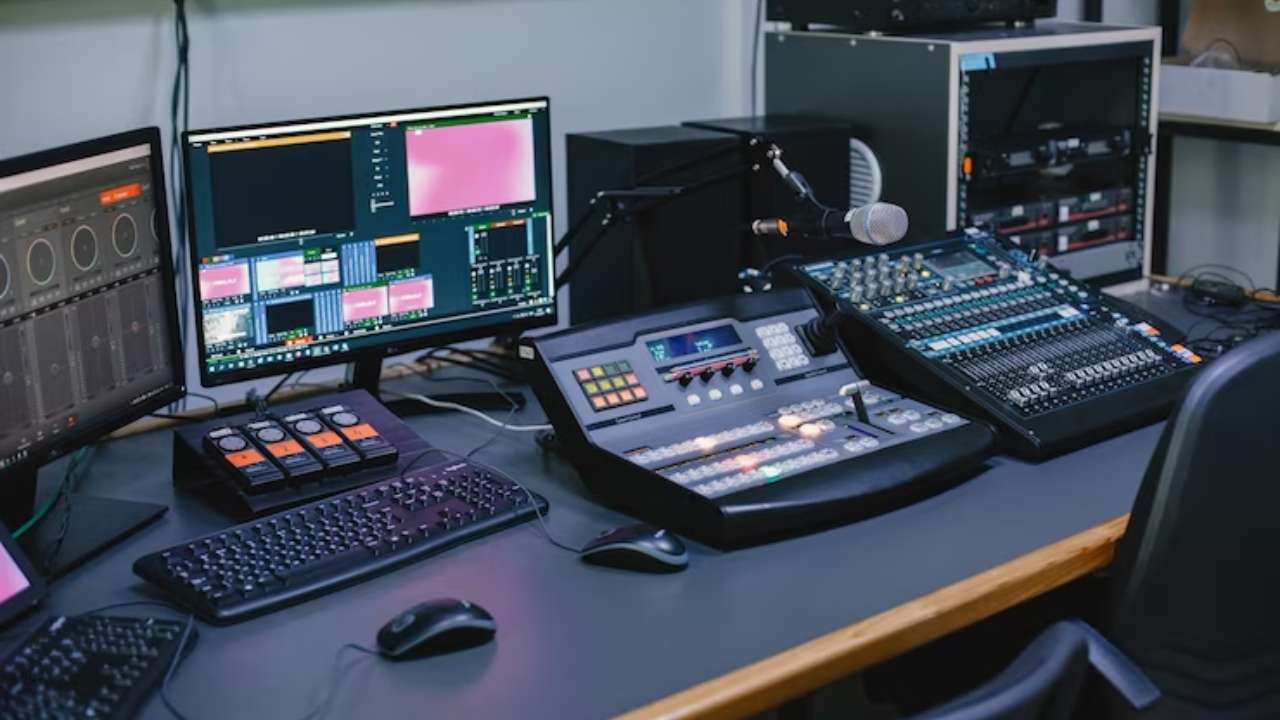
Effective solutions depend on intuitive controls and simple navigation. When participants can easily control meetings, change screen views, or share content without problems, meetings proceed more smoothly. Support and assistance are essential, as even the most advanced systems will underperform if attendees are unfamiliar about their use. Organizations often develop protocols for telepresence meetings, this outlining recommended methods for launching sessions, displaying information, and encouraging input from all participants. These procedures support effective collaboration and prevent delays during team meetings.
Connection with other collaboration tools improves telepresence solutions in conference rooms. For instance, synchronizing systems with task management tools, cloud storage, or communication applications allows teams to access resources quickly and synchronize data instantly. Team tools like shared digital workspaces, instant surveys, and real-time communication enhance active involvement, ensuring that offsite and on-site attendees participate fully in meetings. These connections improve productivity, minimize delays, and ensure coordination among participants, no matter their site.
Finally, businesses that adopt advanced platforms obtain tangible benefits in both collaboration and participation. Staff experience greater contentment, faster decision-making, and stronger deliverables when interaction is seamless and participatory. With a combination of modern systems, thoughtful conference room design, user-friendly operation, and software linkages, organizations build an environment where team members feel connected, knowledgeable, and encouraged to participate. Eventually, these improvements result in enhanced teamwork, more this post innovative solutions, and a more collaborative environment overall.